Electric gravel bikes are booming. They combine the versatility of gravel bikes – equally at home on the road and on trails – with electric assistance that provides a helping hand when the going gets tough.
There are several reasons for this boom. Motors and batteries are lighter and better integrated into the frames. This means the bikes retain the feel of a classic gravel bike. The electric assistance also allows you to go further: tackle more elevation gain, ride for longer or go bikepacking – that is, cycling trips with panniers.
All that remains is to choose the right model. Frame, motor, battery, wheels, drivetrain: these are the key criteria, illustrated by the two electric gravel bikes from Origine, the Help GR and the Newton

Aluminium or carbon: which frame should you choose?
The frame material affects weight, comfort and price.
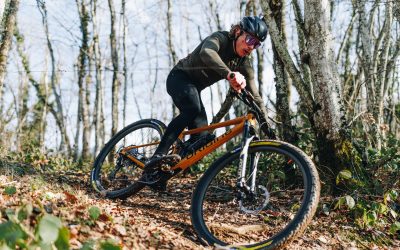
Aluminium is a robust and more affordable choice. The Help GR, made from 6061-T6 aluminium, is designed to withstand the conditions of a proper gravel ride: tree roots, mud, stones and unsealed tracks. It weighs between 12.5 and 13.3 kg depending on the build.
Carbon fibre reduces weight and refines the frame’s handling. The Newton
Aluminium is also synonymous with performance
At Origine, aluminium is not regarded as an entry-level material. Although it is often less expensive, it offers a technical solution with unique qualities. Working with aluminium allows us to deliver a very high level of performance, a low weight and a manageable budget.
This conviction is backed by solid experience. Origine has demonstrated, with the Trail (the brand’s aluminium gravel bike), that an aluminium frame can deliver performance, stiffness, reliability and riding enjoyment, without compromise.
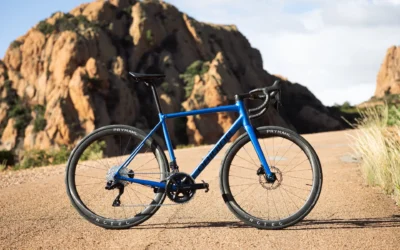
The Axxome AL continues this approach. Its frame is made from 6061 aluminium, with tubes of varying thicknesses depending on the areas of mechanical stress. This technology optimises every gram of material, improving stiffness where it is needed whilst minimising the frame’s overall weight.
The result is a bike that’s dynamic off the line, capable of efficiently transferring all the rider’s energy.
The lightest configurations weigh in at under 8 kg. In its most affordable version, priced at just €1,350, it will be fitted with a Shimano drivetrain and Mavic wheels, bringing the total weight to around 10 kg.

Motorisation: the motor in the wheel or in the bottom bracket
There are two options. The bottom bracket motor is located in the centre of the bike. The hub motor is housed in the rear wheel. The latter is generally lighter and more discreet, and it preserves the handling of a conventional bike when the assistance is switched off. A dedicated article compares these two solutions.
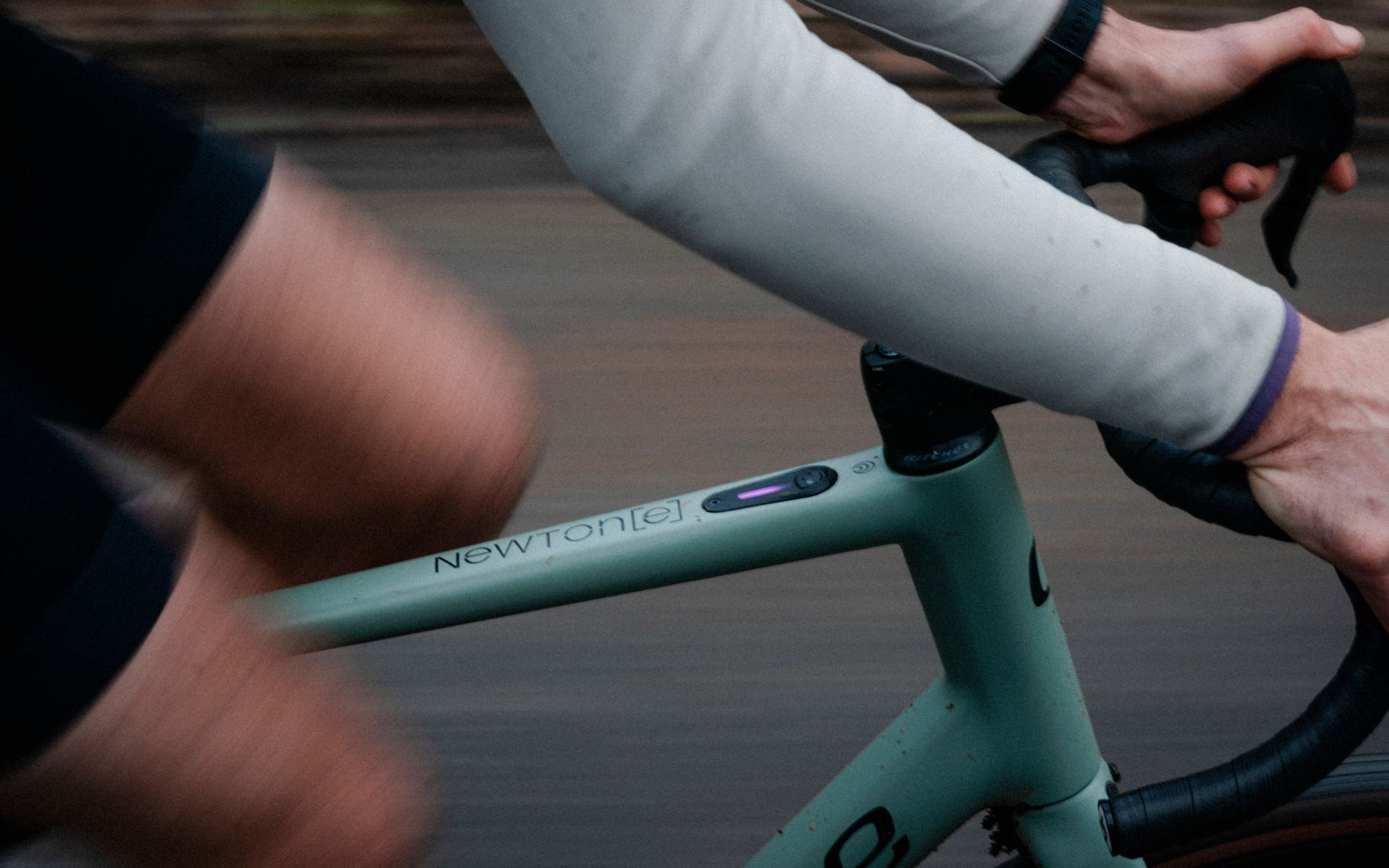
The Help GR and the Newton
The system is ANT-compatible, a protocol that connects the bike to your GPS cycle computer. The assistance can therefore adapt to the terrain, your effort or your heart rate.
Battery and range
Battery capacity is measured in watt-hours (Wh). The higher the capacity, the greater the range, but the heavier the bike.
On the Help GR and the Newton
For day trips, the standard battery is sufficient. For bikepacking or long days in the mountains, the range extender is worth considering.
The wheels
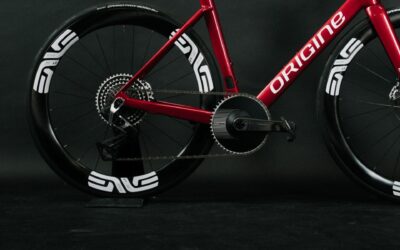
The wheels influence the bike’s responsiveness, comfort and weight. Origine designs its own wheels, the Prymahl range, which includes wheels specifically designed for gravel riding.
When choosing, three factors are key: the material (carbon or aluminium), the internal width – which determines which tyre sizes are compatible – and the weight. Lightweight wheels make acceleration more responsive. The Origine configurator allows you to choose your wheels from a range of options.
Tyres: up to 45 mm
The Help GR and the Newton
The drivetrain: single chainring, double chainring or electronic
The drivetrain comprises the derailleur, sprockets, crankset and controls. There are three main options:
- Single chainring (1x): a single chainring at the front. It’s simple, lightweight and easy to maintain.
- Double chainring (2x): two chainrings at the front. The range between the smallest and largest gear ratios – that is, the distance covered with each turn of the pedals – is wider. This is useful for alternating between road and off-road riding.
- Electronic (Shimano Di2, SRAM AXS): gear changes are controlled electronically. They are precise and programmable.
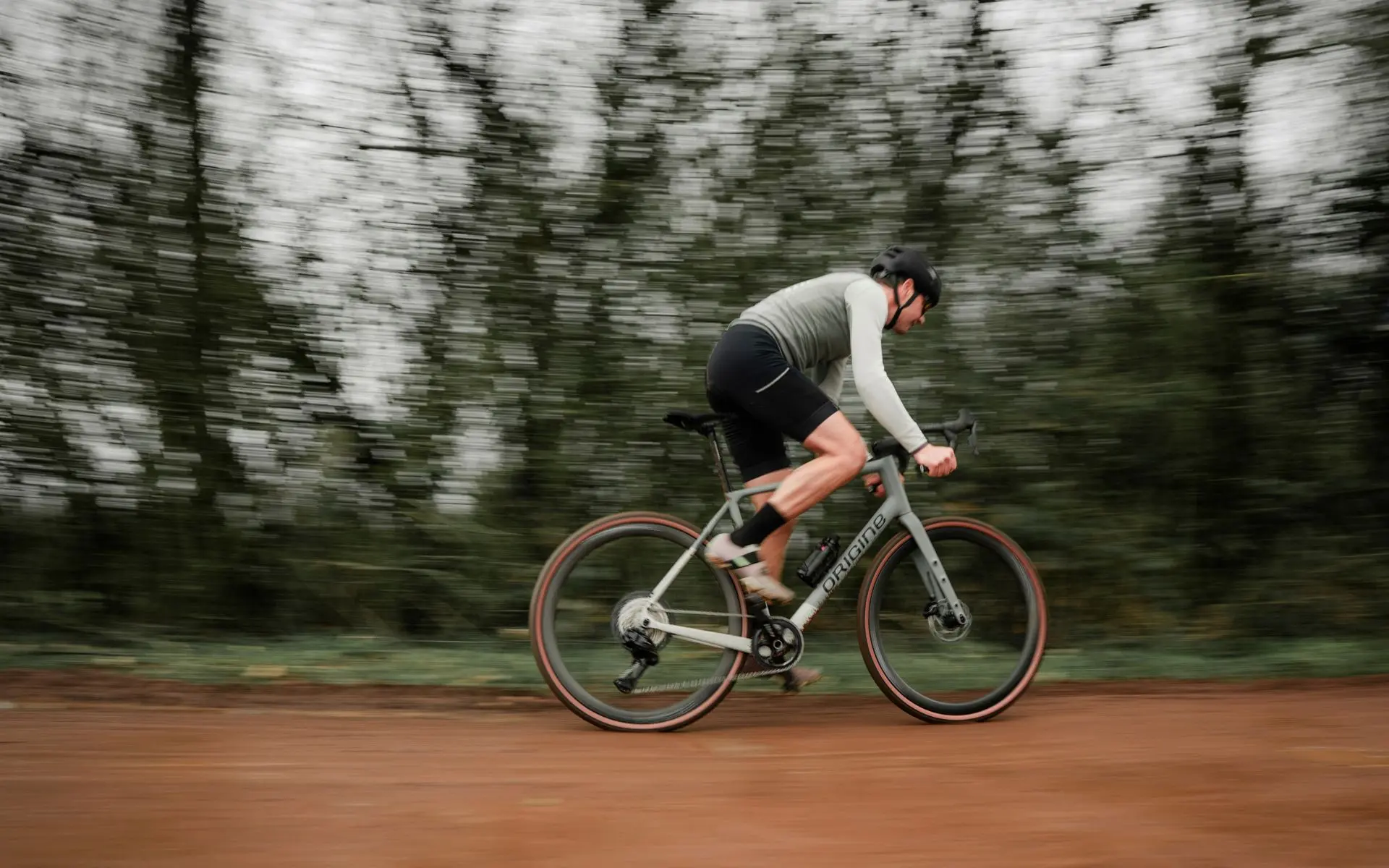
Made to measure, size and budget
A well-chosen gravel bike is, first and foremost, one that’s the right size for you. At Origine, every bike is configured online: components, colours, frame size and handlebar setup. An online posture assessment helps you determine the correct riding position. A technical adviser can also assist you over the phone or via video call.
The price varies depending on the components chosen. The Help GR starts at €3,812 and the Newton
Choosing the right electric gravel bike
Choosing an electric gravel bike comes down to answering a few questions: what terrain, what distance, what budget. Aluminium is suitable for versatile and more accessible riding. Carbon offers lightness and precision for the most demanding rides. The motor, battery, wheels and drivetrain should then be chosen according to your intended use.